
Maury County Leaders Reflect on Growth, Opportunity, and Quality of Life

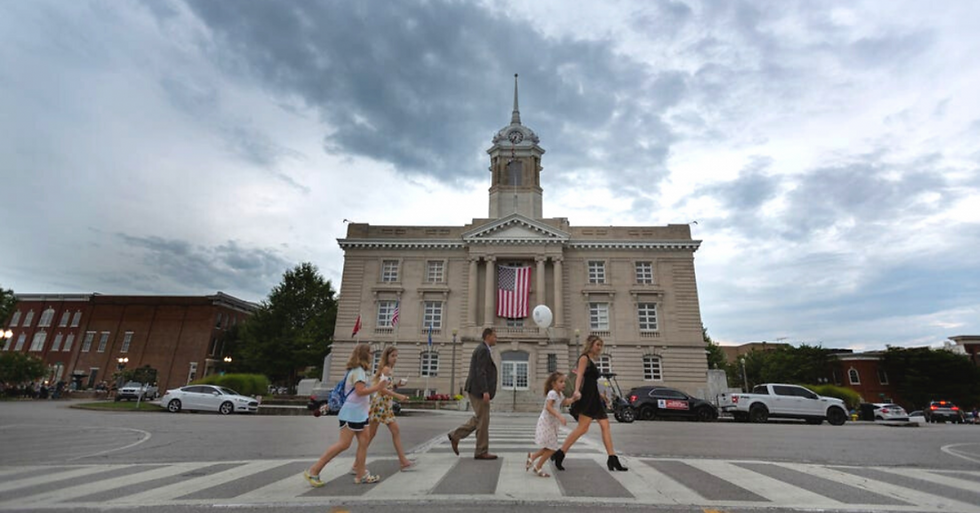
Cumberland Region Tomorrow's County Conversations Visits Maury County
On June 4, Cumberland Region Tomorrow (CRT) gathered with mayors, other elected officials, business leaders, economic development professionals, utility leaders, healthcare executives, educators, and community stakeholders at Maury Alliance for the latest stop in CRT's County Conversations series.
This year, CRT is visiting each of the 10 counties that make up Middle Tennessee's Cumberland Region to explore a simple but important question:
How do we continue to grow while preserving the qualities that make our communities special?
For Maury County, the conversation revealed a community that is both proud of its success and intentional about shaping its future.
A County with Momentum
The discussion began with a review of Maury County's impressive growth story. Participants reflected on a county that has experienced remarkable economic and population growth over the past decade while maintaining a strong sense of identity and community.
When asked, "What has Maury County done right to create this momentum?" leaders pointed to several recurring themes:
Strong leadership and collaboration
A culture of accountability and engagement
A thriving agricultural heritage
Distinctive communities such as Santa Fe, Mt. Pleasant, Spring Hill, and Columbia
Active civic organizations and volunteerism
Well-attended community programming and events
Proximity to Nashville, Huntsville, airports, and regional employment centers
A strong quality of life that attracts families and businesses alike
Attendees noted Maury County's success stems from something deeper than economic indicators. People care about the community. They know one another. They show up. They stay engaged.
Growth Creates New Challenges
While leaders celebrated Maury County's momentum, they were equally candid about the challenges that accompany growth.
When asked what keeps them up at night, participants raised concerns about:
Infrastructure capacity
Utility limitations, particularly water and wastewater infrastructure
Housing affordability
Workforce recruitment and retention
Healthcare access
Rising costs for food, fuel, utilities, and housing
Educational affordability and availability
The unknown impacts of artificial intelligence on workforce and education systems
Housing affordability emerged as a particularly significant concern. While employers continue to bring higher-paying jobs to the community, many workers—including teachers, first responders, healthcare workers, and young families—still struggle to find attainable housing options.
Leaders also emphasized the need to attract and retain skilled workers, particularly in advanced manufacturing, technology, software development, and precision industries.
A Regional Perspective
A major takeaway from the discussion was the importance of regional thinking.
Participants acknowledged that Maury County does not exist in isolation. Residents regularly commute between Maury, Marshall, Giles, Lawrence, Williamson, and Davidson Counties for work, healthcare, education, and recreation.
As one participant noted, Maury County has increasingly become "the Nashville of Southern Middle Tennessee"—a regional center that provides jobs, healthcare, retail, services, and opportunities for surrounding communities.
This reality reinforces the need for regional collaboration around issues such as transportation, workforce development, housing, healthcare, and infrastructure.
As CRT shared during the presentation: "Growth is regional. Success is interconnected."
Defining Quality of Life
One of the most meaningful parts of the conversation centered around quality of life.
When asked what quality of life means in Maury County, leaders highlighted:
Clean water and protection of natural resources
Access to parks and green space
Strong schools and educational opportunities
Safe neighborhoods
Family-friendly communities
Reliable emergency services
Healthcare access
Local shopping and dining
Strong employers who care about their employees
Community connections and civic engagement
Several participants spoke passionately about preserving the Duck River and other natural assets that contribute to the county's character and long-term sustainability.
Others emphasized that decisions related to conservation and growth management are intentional and should be understood in the context of protecting the resources that make Maury County unique.
Looking Forward
As the conversation concluded, leaders reflected on what it will take to sustain Maury County's success over the next decade.
Several themes emerged:
Be intentional about growth.
Protect the assets that make Maury County unique.
Continue investing in infrastructure and workforce development.
Maintain strong civic engagement and accountability.
Strengthen connections across communities and counties.
Foster opportunities for future generations to live, work, and thrive locally.
Perhaps most importantly, participants agreed that preserving community culture will require ongoing commitment and engagement.
Growth alone is not success.
Success is creating a community where people continue to feel connected, valued, and invested in one another.
As Cumberland Region Tomorrow continues its County Conversations series across Middle Tennessee, Maury County's message was clear:
Growth is coming. The opportunity—and responsibility—is to shape it intentionally while preserving the qualities that make Maury County a place people are proud to call home.


Comments